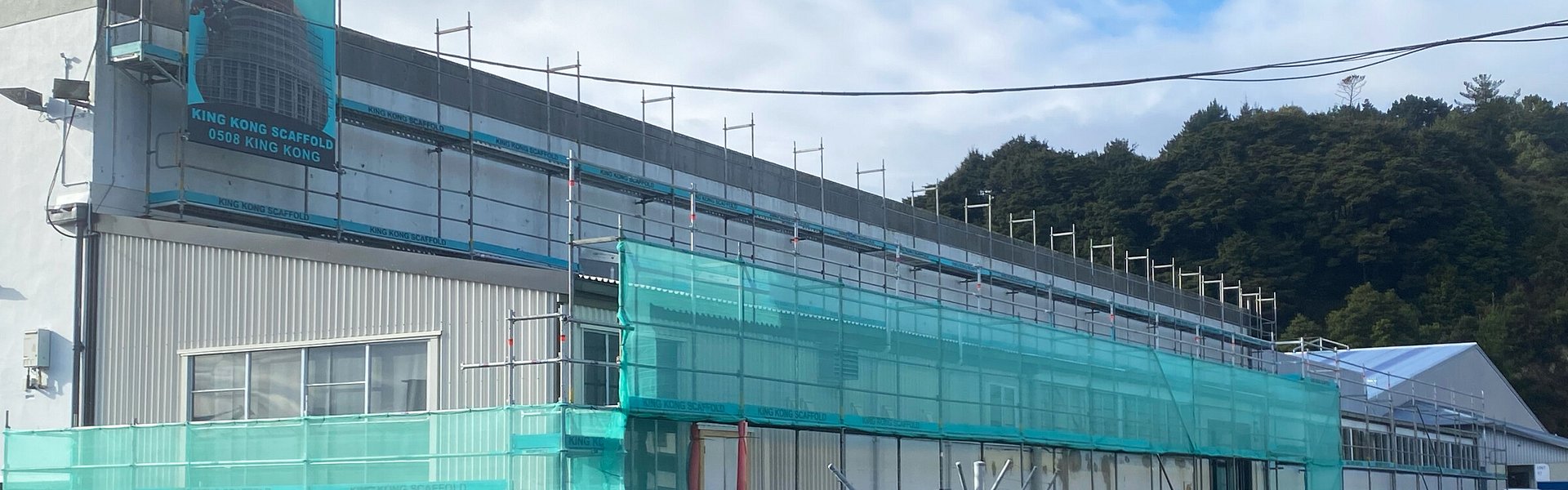
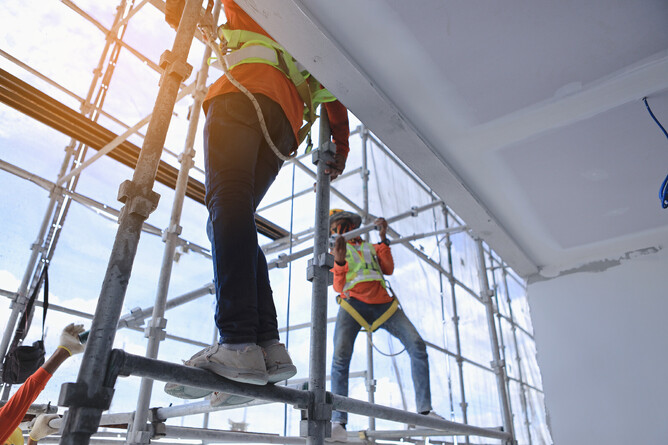
As regular readers of the King Kong Scaffold blog will already be aware, we enthusiastically advocate using scaffolding wrap for construction projects. The potential benefits of using scaffold wrap include improving the appearance of a building site, better protecting workers from the elements, and boosting safety and security.
However, you might be concerned about the potential for high winds to cause the scaffold wrap at your site to flap about or even detach altogether. This could erode the aforementioned advantages of scaffold wrap at a construction location, and present safety risks to both workers and the public.
So, let’s take a closer look at some of the best ways to prevent scaffold wrap from flapping and detaching.
Aim For a Flush Structure and A Tight Fit
You might have already decided to use shrink wrap instead of traditional scaffold sheeting, because it doesn’t depend on ties – such as elasticated bungee ties – to fix the sheeting to the scaffolding.
Regardless of what type of scaffold sheeting you use, though, a flush structure will be crucial. This will allow you to fix the sheeting as tightly as possible to the scaffolding.
Fit The Wrap in Accordance with The Manufacturer’s Instructions
It may seem like overly obvious advice, but if you don’t follow the installation guidelines set out by the manufacturer of your chosen scaffold wrap, you are likelier to have problems with it flapping and/or detaching.
If you are using shrink wrap instead of traditional scaffold sheeting, you may need to take particular care to ensure you create joins or welds between sheets that have the correct overlap.
Use Only High-Quality Scaffold Wrap
The effectiveness of scaffold shrink wrap will be largely dictated by how it is attached to the scaffolding, as well as how the wrap is heat shrunk “drum tight”. However, you should also ensure you choose shrink wrap that has good basic mechanical strength.
So, whatever film you are considering, you should carefully check the specifications. Your chosen scaffold wrap will need to have a high strength at yield – in other words, it should be able to “bounce back” after being subject to high wind loads, instead of gradually becoming baggy.
To learn more about our own high-quality scaffold shrink wrapping services in NZ at King Kong Scaffold, please feel free to request a quote. We will help ensure the scaffold sheeting at your site delivers consistently excellent performance, without flapping or detaching.
Frequently Asked Questions
1. How do you stop scaffold wrap from flapping in Wellington’s wind?
Stop flapping by aiming for a flush scaffold structure and fitting the wrap as tight as possible. King Kong Scaffold also notes that shrink wrap can be heat shrunk drum-tight, which helps it stay firm in the wind.
2. What causes scaffold wrap to detach on Wellington sites, and how do you prevent it?
The wrap can detach when it is not fitted tightly or when the installation does not follow the manufacturer’s guidelines. Prevention comes from a flush structure, correct installation, and proper joints or welds with the right overlap.
3. What’s the best scaffold wrapping method for Wellington winter weather?
We recommend shrink wrap as an option because it can be heat-shrunk tightly and does not rely on elastic bungee ties for fixing.
4. Do you supply scaffold wrap for Wellington and Lower Hutt projects?
Yes, King Kong Scaffold offers scaffold shrink wrapping services in NZ and invites you to request a quote. Wrap can help protect workers from the elements, but it does not always ensure “fully weatherproof.”
5. What’s the difference between scaffold wrap and scaffold sheeting for Wellington jobs?
Shrink wrap is described as different from traditional scaffold sheeting because it does not depend on ties, such as elasticated bungee ties, to fix it to the scaffold. Both still need a flush structure and a tight fit to perform well.
6. Can scaffold wrap reduce weather delays for Wellington painters, plasterers, and roofers?
It can help, because King Kong Scaffold says scaffold wrap can protect workers from the elements and improve site safety. It will not remove all delays, so site exposure and installation quality still matter.
7. How do you inspect and maintain wrapped scaffolds during high winds in Wellington?
This stresses that performance depends on correct installation and wrap quality. In high winds, focus checks on fit, tension, and joins or welds, and use wrap with strong “bounce back” properties.

