Many homeowners and builders find the cost of scaffolding in NZ confusing, as quotes vary by provider and project. Some are surprised by added charges for setup, transport, or weather protection, while others can’t easily estimate hire length. These uncertainties make budget planning tough.
Scaffolding allows safe, efficient construction and maintenance by giving workers stable access to elevated areas for painting, roofing, cladding, and repairs. This ensures compliance and supporting trades at height.
With each project differing in scope, the final cost of scaffolding hinges on multiple factors. For instance, a single renovation may require only a small setup, while a large build may require more materials, time, and inspections. Recognising these aspects not only manages budgets with confidence but also sets the stage for a clear understanding of what affects scaffold costing.
The Role and Usage of Scaffolding in New Zealand
Scaffolding is essential in construction and maintenance, providing workers with secure platforms for performing tasks at height safely. These systems are used on residential, commercial, and public projects across New Zealand.
The main uses of scaffolding include:
Roofing and gutter repair. Temporary access for roof replacements, flashing work, and cleaning.
Exterior painting or cladding. Stable surfaces for painters and installers working at height.
Structural maintenance. Platforms for brickwork, plastering, or window replacements.
Building extensions and renovations. Support for builders and contractors during multi-level extensions or full renovations.
According to WorkSafe NZ, scaffolding is mandatory when workers are at risk of falling from height. Compliance with these safety standards protects both property owners and workers from potential hazards, hence, every scaffold setup must adhere to specific design and inspection standards.
The Average NZ Cost of Scaffolding
If you are wondering how much scaffolding costs in New Zealand, the average price is usually between $30 and $150 per square metre.
The exact cost depends on three main things:
Scale: How big the project is.
Duration: How long you need the scaffolding for.
Complexity: How difficult it is to set up.
Generally, small home projects are on the cheaper end of that range. Large multi-story buildings or commercial sites will be on the more expensive side.
Why the Price Varies A standard one-story house is usually a simple job that doesn't need much framing. In contrast, a tall commercial building requires way more materials, workers, and time to set up. This is why prices can look very different, even for two projects in the same city.
What You Are Actually Paying For When you get a quote for scaffolding, you aren't just paying for the metal structure itself. The price also covers:
Labour: The team building and taking down the scaffold.
Transport: Getting the gear to and from the site.
Safety: Mandatory inspections to ensure everyone's safety.
A Guide to Scaffoldings’ Cost by Project Type
When budgeting for construction or renovation work, the cost of scaffolding is often one of the most variable and overlooked. Many property owners and contractors find that estimates differ sharply, which can create uncertainty, especially when planning around fixed build timelines.
Below is a clear breakdown of what typical New Zealand projects might expect to pay:
Single-storey homes range from $30 to $50 per m², covering basic scaffolding for exterior painting, roofing, or light repair work. These projects often need minimal framing and shorter hire durations.
Two-storey homes tend to cost between $50 and $90 per m², as they require more frames, braces, and working platforms. The average cost to scaffold a 2-storey house in NZ is a bit higher as it needs more secure access at higher levels for extra safety.
Light commercial projects generally sit between $70 and $120 per m². These jobs span larger areas and need stricter compliance requirements, especially when public access or footpaths are nearby.
Multi-storey commercial buildings often cost $100–$150 per m², depending on complexity and the time required for installation and removal. Extended hire periods and additional safety components also contribute to the higher cost range.
These figures come from reliable industry sources, such as Builder Connect NZ and Build Cost Guide NZ, as well as verified local averages. They are designed to give you a clear reference point rather than a fixed price.
How are Scaffolding’s Prices Set?
There are key factors that drive the cost of scaffolding. Knowing them helps you plan your budget accurately and avoid unexpected charges during construction. Take note of the following cost drivers when estimating scaffold hire in New Zealand:
Project Size and Complexity
Larger or irregular structures need more materials, components, and labour hours. Custom layouts or multi-level buildings also increase the assembly time required. Complex designs may also require additional bracing or engineered plans to maintain safety compliance, which increases the final cost of scaffolding.
Height and Access Conditions
Sites with limited access or uneven ground take longer to set up. Taller structures demand additional bracing and safety rails, increasing the hire costs of scaffolding. Restricted entry points or sloped terrain can also require extra stabilisers or mobile towers, affecting both labour time and material use.
Hire Duration
More extended hire periods often come with lessened daily rates but a greater total expenditure. Most providers use weekly or monthly contracts, so project length directly shapes the cost of scaffolding. Projects that exceed their initial schedule may also incur extension fees or additional inspection charges to maintain ongoing compliance.
Transport and Installation
Distance and site access also change the delivery and labour costs of scaffolding. Remote, hard-to-reach, or urban sites can increase transport and installation fees. Delivery trucks may need to make multiple trips for larger jobs, and limited street access may require additional crew time for setup or dismantling.
System Type
The choice of scaffold system is also a crucial key cost driver. Modular systems, such as Ringlock, install faster and have lower labour costs, improving expense control. The efficiency of this system also reduces downtime for tradespeople, which can make a noticeable difference in total project expenses.
Ringlock scaffolding provides:
Faster assembly. Components connect via a locking mechanism, reducing setup time.
High load strength. Designed for stability, even on multi-storey setups.
Versatility. Suitable for irregular or angled structures.
Scaffolding NZ guidelines say efficient modular systems can cut project costs by 10–20 percent. This only means that factoring in system efficiency clarifies total project expenses when calculating scaffolding costs in NZ.
Budget Predictability: Average Hire vs Purchase Costs
Hiring scaffolding is often the preferred option for short-term projects because it’s flexible and doesn't require maintenance or storage. In contrast, purchasing scaffolding is suitable for long-term contractors or firms that handle multiple projects at once.
See this basic guide on hiring and purchasing cost range:
Hire costs. Small residential projects generally range from $350 to $1,000 per week, depending on size and hire length.
Purchase costs. A full system can exceed $15,000, not including ongoing inspection and repair.
Choosing between hire and purchase depends on project frequency. For most homeowners or small builders, hiring remains the more cost-effective option for scaffolding. It also ensures compliance with WorkSafe NZ standards, as certified hire companies regularly inspect and preserve their equipment.
If you are wondering what the cost of scaffolding is in NZ, expect your quote to reflect both equipment and service. That includes delivery, installation, adjustment, and removal, rather than just the rental of materials.
Duration and Hire Terms Explained
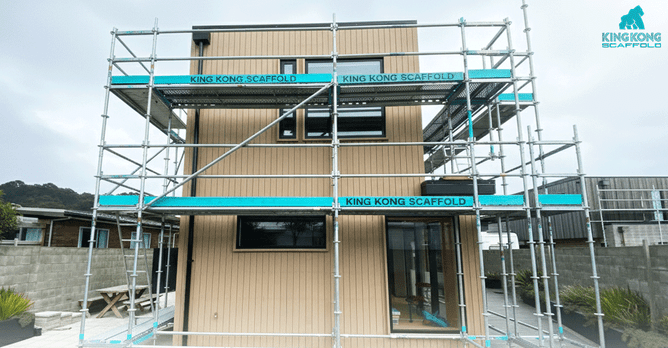
The scaffold hire duration is another key factor in determining the overall cost of scaffolding in NZ. Most companies offer flexible terms, including weekly, monthly, or project-based rates.
For instance:
A short-term hire is ideal for quick maintenance or painting projects, usually lasting one to two weeks.
Medium-term hires are common for home renovations or re-roofing jobs lasting 1 to 2 months.
A long-term hire is usually used for large builds or commercial projects that require ongoing access.
The hire rate often decreases as the duration increases, but total expenditure continues to increase over time. Many providers also offer inspection services during long hires to maintain safety compliance.
Regional Variations in Scaffolding Costs
Scaffolding rates vary across New Zealand due to different environmental and access factors.
In Wellington and coastal areas, high winds require more stabilisation and weatherproofing, adding 5–10 per cent to costs. Auckland has higher transport and labour costs due to urban demand. Christchurch and the South Island offer competitive prices, though rural access can increase delivery costs.
Each location presents unique conditions that influence both setup time and compliance requirements. These regional differences should always be factored in when comparing quotes. Providers usually include local conditions in their estimates to ensure the structure meets safety regulations.
Managing Safety and Compliance Costs
WorkSafe NZ requires all scaffold systems over five metres in height to be certified and regularly inspected. These checks ensure that platforms, rails, and braces meet national standards.
The cost of these inspections may seem minor, but they are an essential part of the overall project expense. Non-compliance can lead to penalties or project delays, which are far more costly in the long term.
When reviewing quotes, confirm that compliance and inspection fees are included. Certified hire companies typically include these services within the total hire rate, offering both convenience and peace of mind.
What Hidden and Additional Costs Should You Expect?
While most quotes include standard hire, transport, and setup, certain conditions may incur additional charges. Knowing these in advance can help you plan your budget more accurately.
Weather protection or scaffold wrapping usually ranges from $15 to $30 per m²; it is needed when projects run during wet or windy months.
Labour for dismantling and transport often accounts for 10–15 per cent of the total hire.
Safety checks and inspections are required for extended hires or public access areas.
Permit or engineering fees are needed when scaffolding extends into public spaces or footpaths.
Moreover, if your site layout changes during the job, scaffold adjustments may incur a small fee. The cost of scaffolding is usually discussed up front, so confirm it early in your planning process.
How to Plan and Budget Effectively?
Budgeting for scaffolding involves more than just measuring wall area. A well-planned approach keeps your costs transparent and avoids last-minute additions.
Here’s how to estimate and prepare your budget:
Measure accurately and determine the total area to be covered, including gables or extensions.
Estimate duration and add time for possible weather delays or inspection periods.
Consider compliance costs when conducting safety inspections or engineering checks, if required.
Request detailed quotes and ask for line-item estimates showing labour, transport, and hire duration.
Compare inclusions and ensure quotes cover setup, adjustments, and removal, not just equipment rental.
If you are planning a new construction project, it helps to know how to budget for scaffolding on a new build in NZ. Always allow a small contingency for weather changes, added height, or access modifications.
When to Request a Quote?
It’s best to seek a scaffold quote early in the planning stage, ideally before the first trades start on-site. This gives enough time for measurements, system selection, and installation scheduling.
Include key details such as:
Project address and access points
Type of work being carried out (painting, roofing, or structural)
Expected project duration
Site photos or plans, if available
Early planning guarantees the proper setup is chosen for safety, efficiency, and cost control. It also helps avoid delays caused by late installations or equipment shortages.
Get the Height You Need At a Price That Fits
The cost of scaffolding in NZ goes beyond materials and labour. It represents the structure that upholds safety and efficiency throughout every stage of construction. A well-planned scaffold ensures tradespeople can work securely at height, keeps projects compliant with regulations, and helps maintain a smooth workflow from setup to completion. When you understand how each factor influences the cost of scaffolding, you can prepare a realistic budget that keeps your site protected and your build on schedule.
At King Kong Scaffold, we focus on providing dependable systems that balance quality, safety, and the cost of scaffolding. Our team designs and installs scaffolding suited to your project, helping you make the most of every dollar spent.
Careful preparation and a clear plan make a noticeable difference not only in savings but in safety and peace of mind. Remember, investing time in proper planning today can prevent costly setbacks tomorrow, ensuring every stage of your project remains stable, secure, and within budget.
Frequently Asked Questions
1. How much does scaffolding cost in Wellington for a typical home project?
For a typical Wellington home job, use NZ$30 to $90 per m² as a guide, then allow about 5 to 10% extra for Wellington’s wind and coastal conditions.
2. What affects the scaffolding hire cost in Wellington?
Cost changes mainly with project size and complexity, height and site access, hire duration, transport and installation, and the scaffold system type, plus any weather protection or wrapping.
3. What’s the cost of roof scaffolding in Wellington?
Roof access on homes often sits in the $30 to $90 per m² range shown for single and two-storey projects, and scaffold wrapping for wet or windy months typically adds $15 to $30 per m².
4. Are there extra charges Wellington customers should expect?
Quotes can include or add costs for labour, transport, and safety inspections, plus extras like weather protection or wrapping, permits or engineering fees (if it goes into public spaces), and adjustment fees if the layout changes.
5. How do I get an accurate scaffolding quote in Wellington, and what info do you need?
Request a quote early and provide the project address and access points, type of work, expected duration, and site photos or plans, then ask for a detailed breakdown that includes setup, adjustments, and removal.
6. How can Wellington homeowners keep scaffolding costs down without compromising safety?
Keep costs tighter by measuring accurately, planning a realistic hire period with weather in mind, requesting line-item quotes, and choosing an efficient system like Ringlock, which this guide says can cut costs by 10 to 20% due to faster setup.

