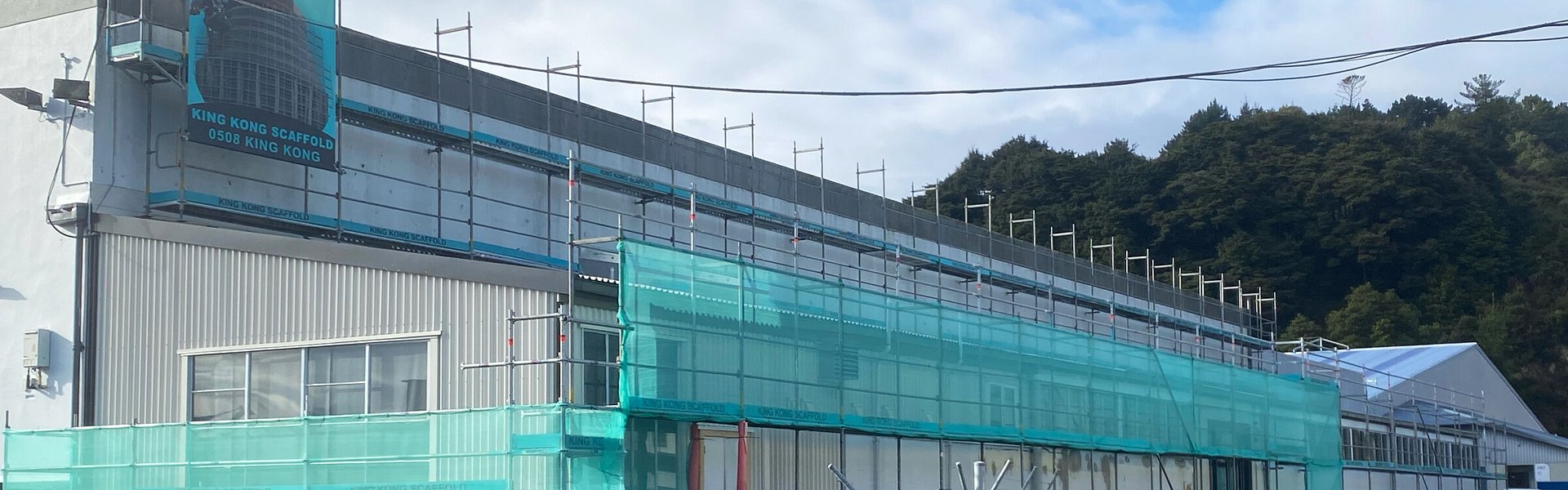
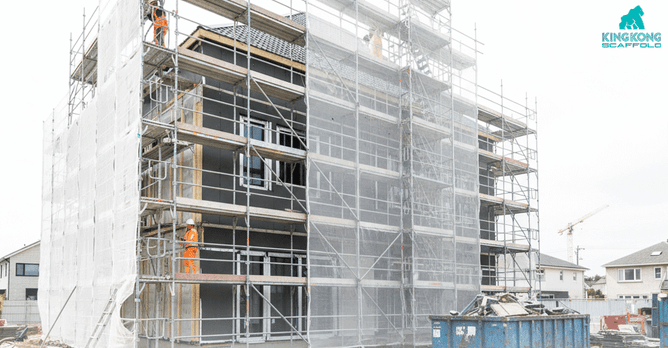
Site managers face strict deadlines, restricted access points, and crews who rely on secure work zones. When working at height, the pressure to choose the right scaffolding parts intensifies. Even if a structure looks stable from below, it may not feel secure once workers step onto the platform. These challenges underscore the importance of identifying the right equipment before hiring begins.
Daily site operations need scaffold parts that allow free movement, protect workers, and remain stable in varying weather conditions. If scaffold parts cannot support the project’s load and requirements, minor failures can prompt concern, jeopardise safety, and halt crew productivity.
Scaffolding provides a safe platform for working at height, but its strength depends on how its components connect. By understanding key parts and their functions, site managers can assess options and select equipment tailored to their site’s requirements.
A Clear View of How Scaffolding Parts Work on Modern Sites
A scaffold is a temporary support structure that provides workers with stable access to areas they cannot reach from the ground. The structure depends on parts that work as a single unit. Each piece contributes to the system's strength, shape, and height.
When set up correctly, it allows multiple tasks to run concurrently, helping crews stay aligned with project timelines. Site managers oversee how these structures withstand weight, weather, and movement across the worksite.
Core Parts That Hold a Scaffold Together
A scaffold comprises several parts that create a stable, practical structure. These parts hold weight, support vertical and horizontal loads, and keep the frame balanced. Each piece has a specific function, but no single part stands alone. The overall strength of the scaffold depends on how it links together and distributes weight evenly across the frame.
When all parts are the right size and load-rated, site managers obtain greater control over worksite safety and performance. These components form the core of a dependable scaffolding:
Standards and Ledgers
Standards are vertical tubes that support the scaffold's weight. They transfer loads down to the ground through base jacks, helping the scaffolding parts maintain a straight vertical line, even when the ground beneath the structure shifts slightly due to weather or foot traffic.
Ledgers are horizontal tubes that run between the standards, stabilising the structure horizontally. They prevent movement between standards and make sure each level stays firm. When combined with decks, they form the basic walkway for workers.
Diagonal Braces
Diagonal braces help the scaffold stay firm under pressure. They create a triangular shape that strengthens the structure and reduces the chance of sway. Their placement affects overall stiffness, and they are spaced along the frame to prevent the scaffolding parts from shifting. When added in the right areas, they help maintain a consistent shape across the full height of the scaffold.
Base Jacks and Adjustable Plates
Base jacks build a level starting point for the structure, allowing height adjustments on the lower part of the scaffold. They typically sit on the ground or on a sole board, balancing on uneven surfaces. Their adjustable plates also help distribute weight, reduce pressure on soft or loose soil, and prevent uneven settling.
Locking Joints and Connectors
These fittings bring each piece together. Without secure connectors, even the strongest tubes cannot form a safe structure. Locking joints tighten the connections between standards, ledgers, and braces. They improve stability by reducing movement in areas where several components meet.
Meanwhile, strong connectors help the scaffolding parts hold weight across different levels. Their secure design allows workers to move confidently across platforms.
Ringlock Systems: A Practical Choice for Professional Sites
Ringlock systems have become a preferred option for several projects due to their simple connection method and consistent performance. Many site managers select these systems because they offer a balance of strength, speed, and versatility.
How Ringlock Parts Support Stability
Ringlock systems use rosettes welded to the standards at fixed intervals. These rosettes connect with ledgers and braces through wedge-shaped fittings. The connection locks into place once the wedge is driven tight, which removes the need for loose nuts or clamps.
The uniform spacing on each rosette helps maintain even load distribution. This design supports higher weight limits across platforms and walkways.
The wedge system reduces set-up time. Once workers place the fitting into the rosette, a quick tap with a hammer locks it in place, saving time during assembly.
The fixed spacing makes it easier to plan layouts. Site managers can calculate weight limits and platform sizes more accurately because parts follow a consistent pattern.
Ringlock systems perform well in busy environments as their structure remains stable under changing weather conditions. This provides crews with a reliable platform for tasks that require precision, such as cladding, painting, roofing, or structural adjustments.
Why Hire Instead of Buy? A Practical View for Site Managers
Scaffold hire remains a practical option for many sites, providing access to strong, well-maintained parts without the long-term cost of ownership. Projects often shift in height, scope, and access needs, so hiring enables managers to pick a structure that suits each phase without holding unused equipment or incurring storage costs.
Another advantage of hiring is the access to equipment that has already been inspected, verified, and kept in good condition. King Kong Scaffold provides scaffolding hire solutions and handles checks, replacements, and maintenance. This keeps the scaffold safe and ready for use the moment it arrives on site.
Scaffold also offers flexible support throughout the project, providing setup guidance, assisting with adjustments during the build, and dismantling the structure once the work is complete. Hiring certified scaffolding parts that meet New Zealand standards helps your scaffold remain secure and reliable throughout the job.
Compliance and Safety: The Backbone of Every Scaffold
Construction sites across New Zealand adhere to strict rules for scaffolding. These rules protect crews, visitors, and surrounding structures. Safe scaffolding parts must demonstrate strength, stable footing, and proper assembly. Site managers usually review several areas to ensure scaffold safety and compliance with NZ requirements.
Following these guidelines keeps the scaffolding parts steady and helps prevent delays caused by unsafe conditions:
Parts Conditions. Tubes, joints, and braces must stay free of cracks, rust, and other damage. Certified equipment offers safer performance.
Correct placement. Base jacks, ledgers, and braces should follow the planned spacing pattern and support the required load.
Regular inspections. Worksites benefit from scheduled checks. These checks cover platforms, guardrails, and access points.
Scaffolding That Adapts to Varying Terrains and Layouts
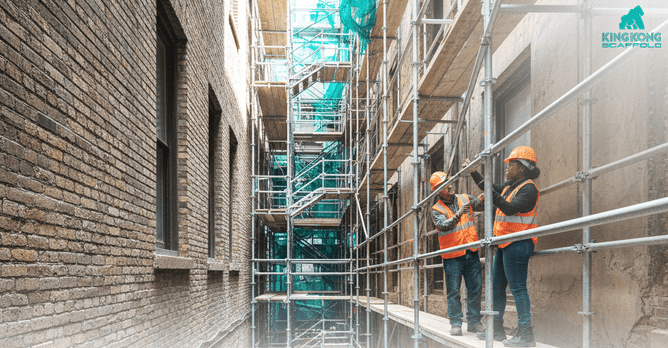
Construction sites often include uneven ground, tight spaces, or awkward corners, affecting how scaffolding must be placed. In such conditions, modular systems allow adjustment in height and width without major frame modifications.
Where practical scaffold adjustments are needed:
Uneven surfaces. Base jacks offset height differences to create a straight starting point, even on sloped areas.
Limited or restricted access zones. Narrow bays and short ledgers fit into confined areas where larger structures cannot reach.
Varying heights. Standards come in several lengths, allowing flexible placement on the platform for different trades.
Structures that adapt well to the site help teams work with fewer disruptions and maintain steady progress.
Common Mistakes When Selecting Scaffolding Parts
Some issues arise when parts do not match or when inspections receive less attention than they should. These issues can slow down the project or create safety concerns.
Avoiding these errors maintains the scaffolding parts' stability and supports smoother operations across the site:
Mixing parts from different systems. This leads to weak joints or loose connections. The dangers of mismatched scaffolding parts often arise when tubes, clamps, or braces do not match in size or locking style.
Rushed assembly. Skipping steps during set-up may cause unbalanced load distribution and platform movement.
Irregular checks. If regular inspections are neglected, early signs of wear or damage may go unnoticed. A single issue, even in the most minor scaffolding parts, can pose a danger; therefore, constant checking is non-negotiable.
Practical Insights for Site Managers Before Scaffold Hiring
Site managers make decisions under time pressure. A short checklist simplifies the process and ensures all key details receive attention. Before arranging scaffold hire, managers should confirm that the structure meets the project's specific requirements.
Height requirements. Confirm the highest point of work and consider any possible extensions needed during the build.
Weight limits. Platforms must support workers, materials, and tools. This depends on the correct spacing of ledgers and braces.
Access needs. Stairs, platforms, and guardrails must be designed to fit the worksite layout.
Certification. The importance of certified scaffolding parts for site safety becomes clear when crews rely on equipment during daily tasks.
At King Kong Scaffold, we can guide these decisions by offering advice based on site plans, access points, and expected work sequences.
The Long-Term Value of Choosing Quality Components
Reliable equipment maintains a steady workflow and reduces the chance of costly changes halfway through a build. Strong parts that stay consistent across projects help protect budgets and minimise downtime.
How Quality Affects the Wider Project
High-grade scaffolding parts are more stable, resisting wear, withstanding weather changes, and holding firm under daily use. When the structure functions well across different stages of the build, site managers gain greater control over planning and access. This consistency helps the team focus on the work rather than dealing with equipment concerns that slow the project.
Quality components also reduce the need for replacements during critical construction phases. When parts stay reliable, crews face fewer interruptions, and tasks can move ahead at a steady pace. Workers feel more confident when the scaffolding parts remain stable underfoot. This leads to smoother movement across platforms, better coordination between trades, and a more efficient workflow overall.
A scaffold built with dependable components reflects well on the site as a whole. It demonstrates a clear commitment to safe, professional work, which fosters trust among crews, clients, and partners. Over time, using quality equipment strengthens a company’s reputation because each project benefits from the same level of safety and consistent performance.
Building Confidence Through a Reliable Scaffold
Understanding the design and function of scaffolding parts helps site managers choose systems that fit their worksite. Explicit knowledge also reduces the likelihood of errors during the hiring and setup processes. The right equipment supports workers, controls safety risks, and maintains a steady pace across the build.
King Kong Scaffold offers certified, well-maintained scaffolds built for the conditions found across New Zealand's worksites. We assist site managers from the planning stage through dismantling, helping maintain safety and efficiency throughout each project phase.
Your next project deserves equipment that supports your team and stays firm under pressure. With strong scaffolding parts forming the base of your structure, you can move forward knowing your system is ready to meet daily demands.

